Why keep battling with variable gas composition, when there’s a combustion technology that doesn’t really care?
Ever since waste-to-energy operators began generating power from biogas and synthetic gas, there has been a constant battle being fought: the battle to maintain a consistent quality of gas.
It’s a battle the operator struggles to wins, because the feedstock was never designed with the engine in mind. Landfill gas composition shifts with age, weather, and waste mix. Digester gas moves with loading rates, temperature, and substrate. The gas doesn’t know or care, what the generator downstream needs to run efficiently.
The technical squeeze
As gas engine manufacturers have pushed for greater electrical efficiency, they’ve had to specify tighter limits on gas composition to hit their claimed performance figures. That’s a reasonable engineering trade-off in a lab, during the development phase. In the field, it puts the burden squarely back on the operator.
If the gas composition drifts outside the engine’s tolerance and the control system can’t compensate, the best-case outcome is a shutdown. The worst case is real mechanical damage – detonation, knock, accelerated wear on pistons and valves, fouled sensors. Either way, the operator is now responsible for constantly monitoring, cleaning, and managing gas quality just to have a chance of hitting the electrical output that was promised on the spec sheet.
That’s a costly and time-consuming task to take on indefinitely, for a resource, landfill or digester gas, that operators typically have very limited ability to control at the source in the first place.
A different question worth asking
Rather than continuing to fight gas quality, the more useful question is whether there’s a combustion technology built to tolerate it.
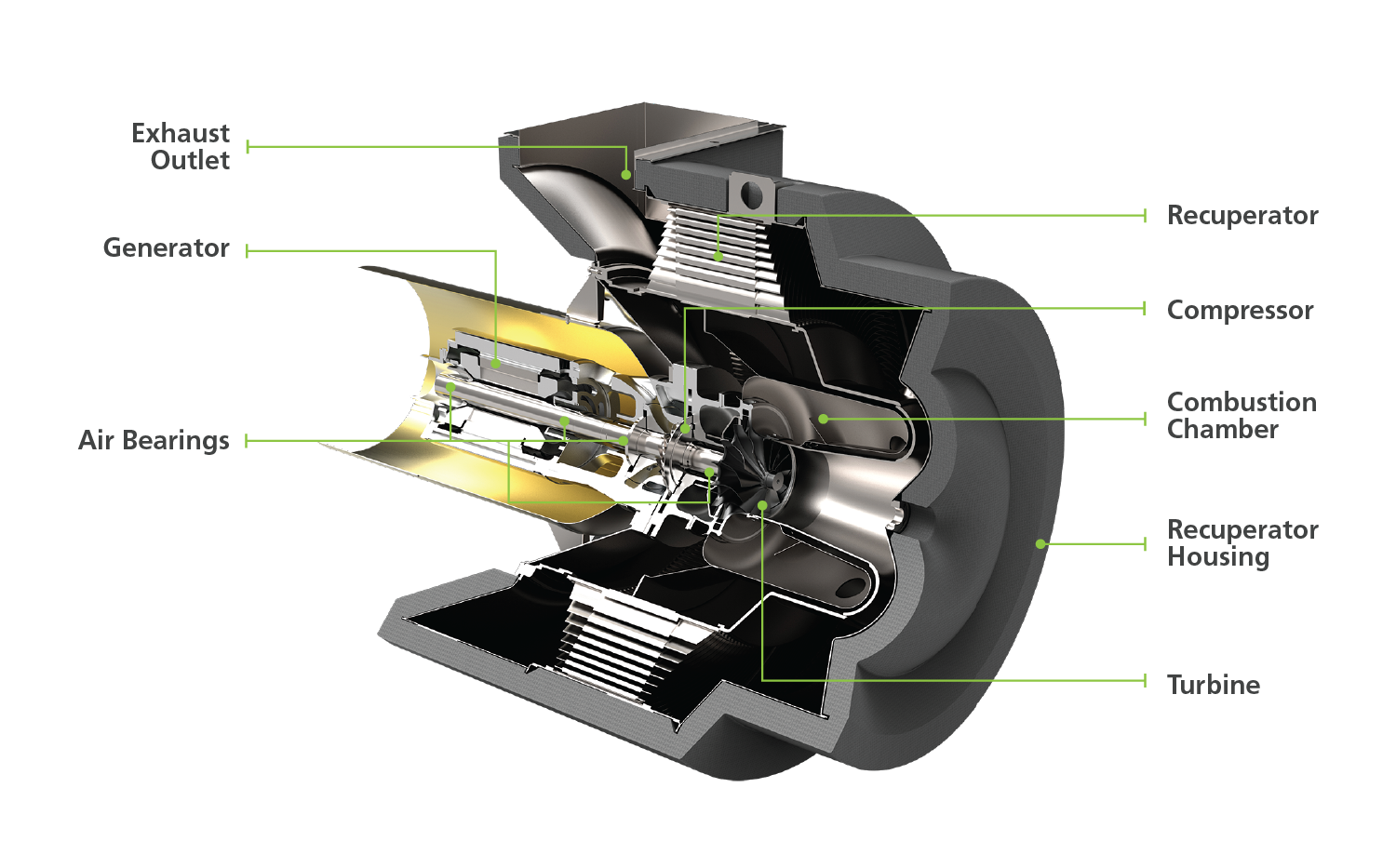
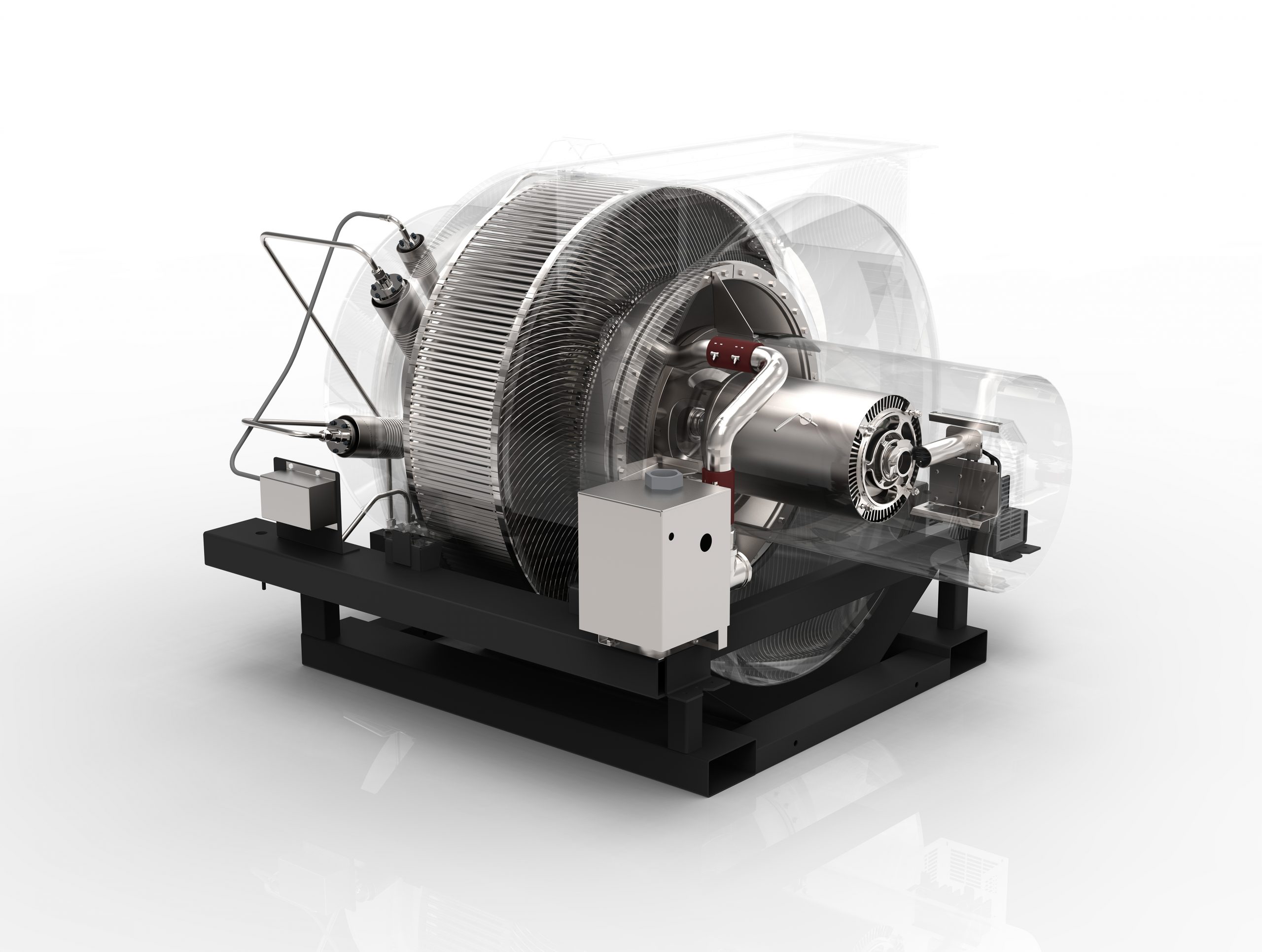
Micro gas turbines have a long successful track record on landfill and wastewater sites worldwide. Where reciprocating gas engines need a narrow, well-defined fuel band to perform, microturbines are engineered for flexibility, capable of running effectively on methane concentrations anywhere between roughly 24% and 75%, depending on the presence of other components in the gas stream.
That’s not a marginal improvement in tolerance. It’s a fundamentally different relationship with fuel quality – one where the swings in feedstock that are unavoidable on a landfill or at a treatment works stop being a threat to output and become simply part of normal operation.
What this means for the technical buyer
For the engineer or plant manager responsible for keeping generation running, the case is straightforward:
- Reliability and stability. A combustion system that tolerates fluctuating gas quality by design means fewer trips, fewer unplanned shutdowns, and fewer emergency call-outs.
- Lower maintenance burden. Less time spent on gas conditioning, scrubbing, and monitoring translates directly into less time spent on the asset overall — and fewer opportunities for something else to go wrong.
- Lower NOx emissions. Microturbines typically produce significantly lower NOx than reciprocating engines, easing the compliance burden as emissions limits continue to tighten.
- Robust efficiency across a wide operating envelope. Rather than efficiency collapsing the moment gas quality dips outside a narrow window, output stays consistent across a much broader range of real-world conditions.
What this means for the financial buyer
For the finance director or asset owner, the technical story translates directly into commercial terms:
- Higher uptime means higher revenue capture. Every hour an engine is down or de-rated because of gas quality is an hour of lost generation — and lost income, whether from the grid, a PPA, or avoided cost.
- Lower operating expenditure. Reduced gas conditioning reduced unplanned maintenance, and reduced call-out costs all show up on the same line: opex.
- Less gas to flare. Gas that can’t be used by an intolerant engine often ends up at the flare stack instead — a resource paid for through collection and management, then simply burned off with no return. A technology able to use a wider range of gas quality converts more of that feedstock into revenue rather than writing it off.
- A more predictable return. Reliability isn’t just an engineering nicety; it’s what underpins a bankable, predictable generation forecast — the kind investors and lenders want to see.
The bottom line
Landfill and digester gas was never going to behave like natural gas, and no amount of monitoring and conditioning will change that. The more sustainable answer isn’t to keep tightening control over an inherently variable resource, it’s to choose generation technology that was built to handle that variability in the first place.
Capstone Power Solutions works operators to help them understand how microturbine technology can improve the reliability of their renewable generation, ensuring more of the gas they’re producing is converted into electricity, and less of it finds its way to the flare stack.
Get in touch with Capstone Power Solutions on 01422 400021 to talk through your site’s gas profile and what a more tolerant approach to generation could mean for your reliability and your returns.